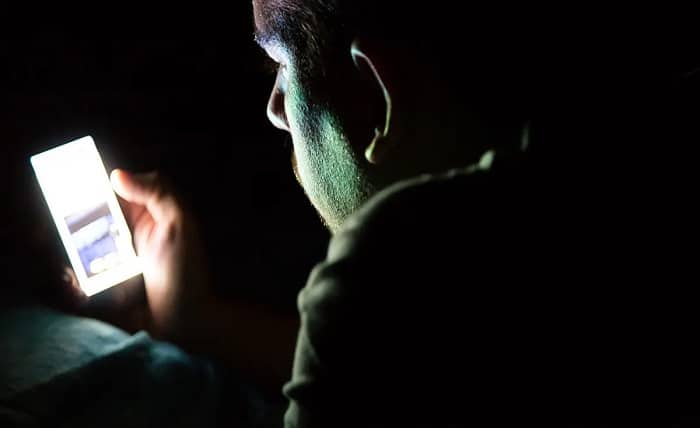
The bedroom was once a place where the day slowed down naturally. Now, for many people, it has become another screen zone. A quick message check before sleeping can turn into scrolling, watching videos, reading updates, or opening entertainment pages out of habit. Someone may even browse casual topics such as Slot gacor hari ini without realizing how long the screen has stayed active.
The issue is not only the content itself, but the timing. When smartphone use continues close to bedtime, the brain receives light, information, emotion, and stimulation at the exact moment it should begin preparing for rest. Over time, this quiet habit can reduce sleep quality and weaken the recovery process that the brain needs every night.
How Smartphones on Sleep Quality Affect the Body Clock
Smartphones on Sleep Quality can have a noticeable effect because screen exposure may delay the body’s natural sleep rhythm. At night, the brain expects darkness and calm signals. Bright screens do the opposite. They send visual stimulation that may make the body feel more alert, especially when the phone is used right before sleeping.
Notifications, short videos, chats, and endless scrolling can also make the mind more active. Even if the body feels tired, the brain may continue processing information. This can make it harder to fall asleep smoothly. A person may lie in bed with the phone for only a few minutes, but the mind can remain alert longer than expected.
The problem becomes stronger when smartphone use becomes part of the bedtime routine. Instead of associating the bed with rest, the brain begins connecting it with browsing, replying, watching, and reacting. This can slowly reduce sleep consistency and make mornings feel heavier.
Why Smartphones on Sleep Quality Influence Brain Recovery
Smartphones on Sleep Quality also matter because sleep is when the brain repairs, organizes, and resets. During good sleep, the brain processes memories, clears mental fatigue, and prepares attention for the next day. When sleep is shortened or interrupted, this recovery process becomes less effective.
Late-night phone use can reduce deep rest by keeping the brain emotionally engaged. Reading stressful news, replying to messages, watching fast-moving content, or searching entertainment terms like situs Raja Slot online can keep attention active when the mind should be slowing down. Even neutral content can become stimulating if it encourages continuous scrolling.
Poor sleep recovery may affect focus, mood, patience, and decision-making the next day. People may feel slower, more distracted, or less motivated. Over time, repeated sleep disruption can quietly reduce productivity and mental clarity, even if the person does not immediately connect the problem to nighttime smartphone habits.
Simple Habits to Protect Sleep and Recovery
- Set a screen cutoff time
Stop using the phone at least 30 to 60 minutes before sleep so the brain has time to slow down naturally. - Keep the phone away from the bed
Charging the phone across the room can reduce automatic scrolling and make it easier to treat the bed as a rest space. - Use calmer nighttime routines
Replace late scrolling with reading, light stretching, journaling, breathing exercises, or quiet music without bright screen exposure.
Smartphones are useful tools, but they can quietly damage sleep quality when used without boundaries at night. The hidden effects often appear the next day through low energy, weaker focus, mood changes, and slower thinking. Better rest does not require removing technology completely.
It requires clearer rules around when the phone belongs in the evening routine. By reducing screen exposure before bed, limiting notifications, and creating a calmer sleep environment, the brain gets a better chance to recover fully and start the next day with stronger focus.